Summary
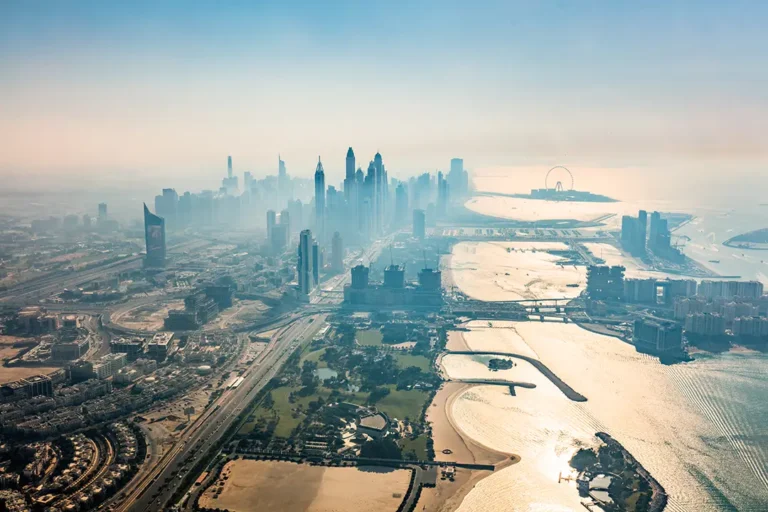
Dubai’s long-term growth is no longer driven by short-term development cycles, but by a structured national vision focused on livability, sustainability, and population growth. The Dubai 2040 Urban Master Plan is central to this shift, redefining how communities are designed, how infrastructure is deployed, and where future property demand will concentrate. For buyers and investors, understanding how the Dubai 2040 urban plan shapes residential supply, accessibility, and lifestyle is essential to making informed, lower-risk property decisions in the coming decade.
What Is the Dubai 2040 Urban Master Plan?
The Dubai 2040 urban plan is a long-term strategic framework launched to guide Dubai’s urban development over the next two decades. Its primary objective is to improve quality of life while accommodating population growth in a sustainable, organized manner.
According to the official UAE Government Portal, the plan focuses on compact urban growth, increased green spaces, enhanced mobility, and well-distributed residential communities.
Rather than expanding outward without structure, Dubai’s future growth is designed around clearly defined residential, commercial, and recreational zones.
Why the Dubai 2040 Urban Plan Matters for Property Demand
Property demand is ultimately driven by where people choose to live, work, and settle long-term. The Dubai 2040 urban plan directly influences these decisions by reshaping how neighborhoods function.
Key demand-driving elements include:
- Reduced commute times through improved road and transport networks
- Increased access to community facilities and services
- Higher emphasis on walkability and open spaces
- Balanced residential density instead of urban sprawl
These factors collectively increase end-user demand, which is a critical indicator of sustainable property value growth rather than speculative price movement.
Population Growth and Housing Strategy Alignment
Dubai’s population growth is a central pillar of the 2040 plan. The city is preparing infrastructure and housing to support a significantly larger resident base without compromising livability.
Dubai population data published by Dubai Statistics Center confirms steady long-term growth, reinforcing the need for structured residential planning.
The master plan aligns housing supply with:
- Family-oriented communities
- Mixed-use residential zones
- Affordable and mid-market housing segments
- Long-term residency demand rather than short-stay accommodation
This alignment directly supports stable property demand across multiple price brackets.
Infrastructure Investment as a Demand Multiplier
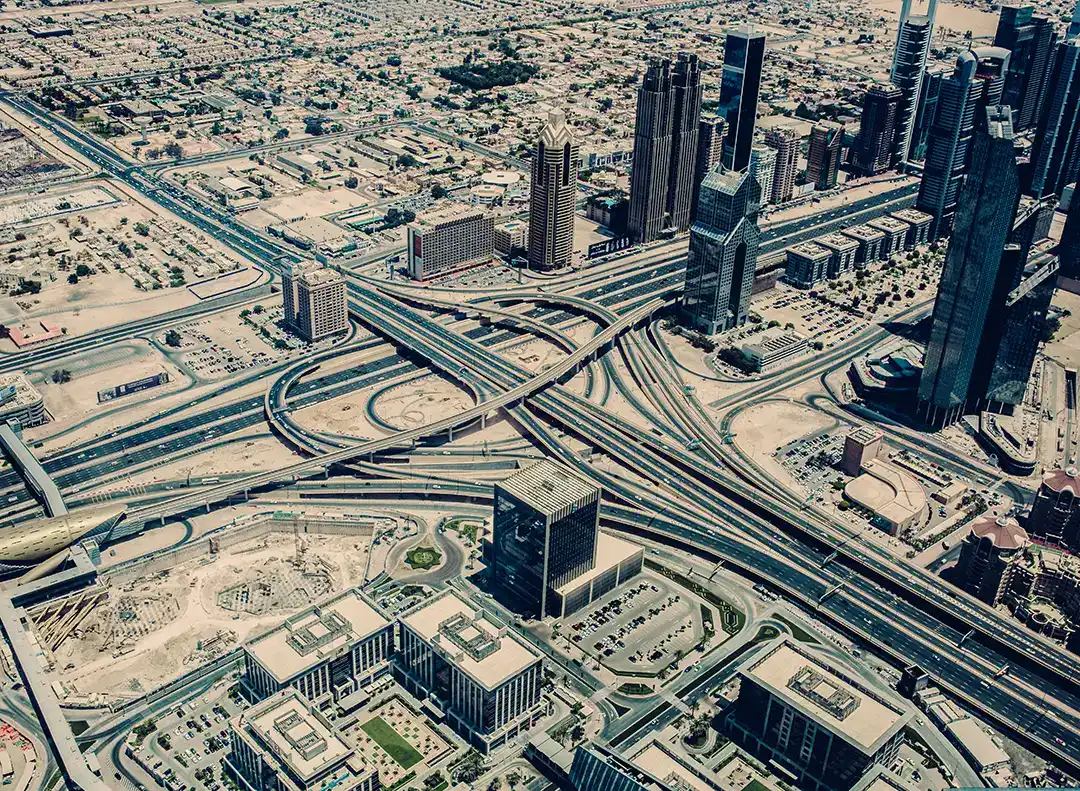
Infrastructure is one of the strongest predictors of future property demand. Under the Dubai 2040 urban plan, infrastructure investment is not reactive but planned decades in advance.
Government planning priorities include:
- Expanded road networks and connectivity corridors
- Integration of residential areas with employment hubs
- Access to schools, healthcare, and retail within communities
- Improved public transportation coverage
Dubai Municipality outlines long-term urban planning objectives through its planning and development framework, reinforcing how infrastructure decisions are tied to residential zoning.
For investors, areas aligned with infrastructure rollout timelines tend to experience more consistent demand growth.
Shift Toward Master-Planned Residential Communities
One of the most visible impacts of the Dubai 2040 urban plan is the emphasis on master-planned residential environments.
These communities are designed to offer:
- Integrated amenities within walking distance
- Predictable density and zoning controls
- Long-term maintenance and infrastructure planning
- Lifestyle-oriented layouts rather than isolated buildings
From an investment perspective, master-planned neighborhoods reduce volatility and vacancy risk by attracting long-term residents instead of transient populations.
Sustainability and Green Space Impact on Property Value
Sustainability is no longer a marketing concept but a core planning requirement under Dubai’s 2040 vision.
The plan prioritizes:
- Increased green and recreational areas
- Reduced urban heat concentration
- Healthier living environments
- Environmental resilience
According to official announcements published via Dubai Media Office, a significant portion of future land use is allocated to open and recreational spaces.
Properties located within greener, well-planned districts typically benefit from:
- Higher resident retention
- Stronger rental appeal
- Long-term desirability
Accessibility, Mobility, and Buyer Preferences
Accessibility is a major determinant of residential demand. The Dubai 2040 urban plan improves mobility by reducing congestion and decentralizing activity hubs.
This results in:
- Less reliance on single central districts
- Growth of secondary residential hubs
- More balanced price distribution across the city
As mobility improves, buyers become more flexible in location choice, which broadens demand across well-connected residential zones rather than concentrating it in limited areas.
Investment Implications for Buyers and Investors
For investors evaluating future opportunities, alignment with the Dubai 2040 urban plan reduces uncertainty.
Key investment advantages include:
- Policy-backed urban growth
- Infrastructure-driven demand
- Lower risk of over-supply in planned zones
- Stronger end-user driven pricing
How the Dubai 2040 urban plan shapes property demand:
- Aligns housing supply with population growth
- Prioritizes master-planned communities
- Expands infrastructure ahead of demand
- Enhances lifestyle and livability
- Supports long-term value stability