Summary
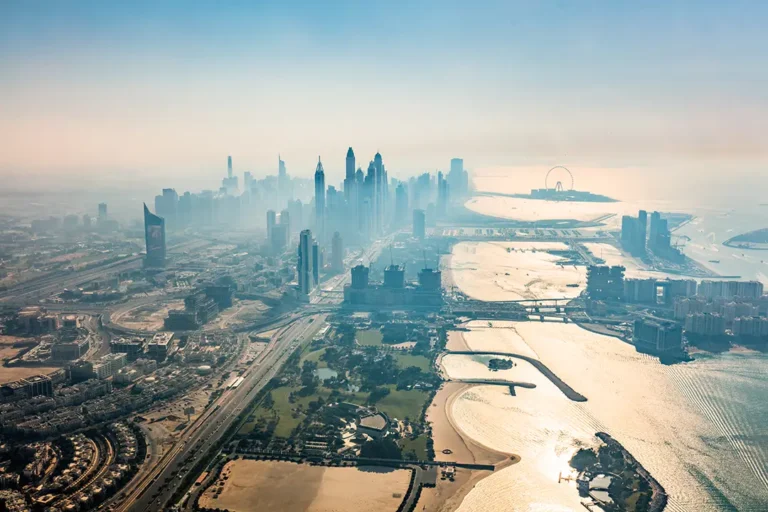
Dubai is often described as “too expensive,” “too risky,” or “only for the ultra-rich,” yet official government data paints a very different picture. In 2026, Dubai’s real estate sector continues to record all-time high transaction values and strong investor participation, supported by a diversified national economy where non-oil activities account for nearly three quarters of GDP. At the same time, Dubai is rolling out long-term housing, infrastructure, and community plans under the Dubai 2040 Urban Master Plan and Dubai Real Estate Sector Strategy 2033, with a clear focus on livable, integrated communities and affordable housing. Within this context, emerging master-planned areas such as Dubai Land Residence Complex and Majan in Dubailand are becoming attractive options for end users and investors looking for sustainable Dubai property investment opportunities backed by real demand, infrastructure, and long-term policy support.
Dubai’s real estate cycle is often portrayed as speculative, but official transaction data shows a maturing, broad based market. According to the Dubai Land Department, Dubai’s real estate sector recorded over 270,000 transactions with a total value of approximately AED 917 billion in 2025, representing strong year-on-year growth in both volume and value compared to 2024.
This performance is not an isolated spike. The Dubai Real Estate Sector Strategy 2033 aims to:
- Double the real estate sector’s contribution to Dubai’s GDP to approximately AED 73 billion
- Increase homeownership rates to 33 percent
- Grow real estate transactions by 70 percent
- Raise total market value to AED 1 trillion
These figures underline that Dubai property investment is being guided by long term policy, not short-term speculation. For investors, this means the city’s real estate fundamentals are anchored in clear, measurable targets supported by government strategies rather than ad hoc growth.
A diversified economy supports long term real estate value

Another common misconception is that Dubai’s property market is overly dependent on oil. In reality, the UAE’s economic model is strongly diversified. According to official economic data, non-oil activities accounted for around 77.3 – 77.5 percent of GDP in 2025, underscoring the broad base of growth beyond hydrocarbons.
Additional indicators reinforce this diversified base:
• Non-oil GDP growth remained robust in 2025, contributing strongly to overall real GDP expansion.
• UAE non-oil sectors such as trade, logistics, finance, technology, and construction continue to lead economic growth.
• The Dubai Economic Agenda D33 and related initiatives target a national GDP of AED 3 trillion and higher non-oil exports by 2031.
For property buyers, this diversified growth means that Dubai property investment is supported by multiple economic engines: tourism, trade, logistics, technology, finance, education, healthcare and more. A broader economic base usually correlates with more stable housing demand, job creation and long-term rental activity.
Safety, lifestyle and livable urban planning
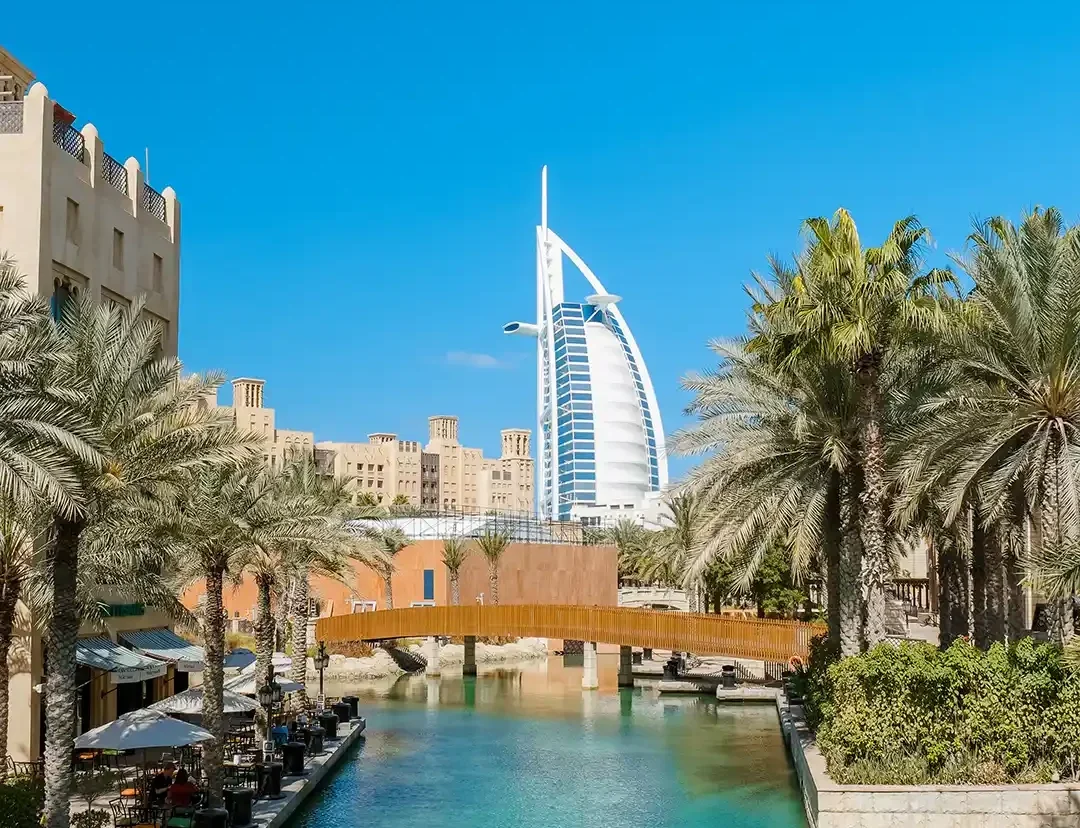
Investors and end users are not only buying square meters; they are buying safety and lifestyle. The UAE has consistently ranked among the world’s safest countries, with very low crime rates supporting its positioning as a secure environment for residents and investors. Official federal government reports note low rates of serious crimes, reinforcing confidence in quality of life.
On the planning side, the Dubai 2040 Urban Master Plan sets out a structural layout for the emirate focused on five main urban centers, doubling green and leisure areas, and providing sustainable mobility and integrated communities.
Key priorities include:
- Developing integrated residential communities with schools, healthcare, retail and parks
- Enhancing public transport and sustainable mobility
- Expanding green and open spaces
- Aligning housing supply with demographic forecasts
Within this framework, master planned communities in Dubailand such as Dubai Land Residence Complex and Majan are positioned as emerging hubs where residents can access daily needs within a short drive, while still being connected to the wider city via major highways and public transport corridors.
Dubai Land Residence Complex: growing demand in a master planned hub
Dubai Land Residence Complex sits along key arterial routes in the Dubailand corridor and is part of Dubai’s broader vision to create integrated residential clusters rather than a single central business core. Under the Dubai 2040 Urban Master Plan, development is being steered towards mixed-use centers that combine housing, social facilities and employment opportunities, rather than isolated bedroom communities.
For investors and homebuyers, Dubai Land Residence Complex apartments and townhouses offer:
- Proximity to major roads connecting to Business Bay, Downtown Dubai and key employment areas
- Residential buildings designed for families and professionals who want relatively more space at a more accessible entry price than core central districts
- Increasing access to schools, clinics, retail and community services as the broader Dubailand area matures
Because Dubai is actively expanding internal road networks, housing projects and public services across multiple areas as part of its 2040 roadmap, communities like Dubai Land Residence Complex sit within a clear infrastructure pipeline rather than ad hoc development. Recent government announcements on new housing projects for citizens across areas in Dubai, worth more than AED 5.4 billion and delivering over 3,000 homes, illustrate the scale of ongoing residential planning.
While those specific projects are targeted at Emirati families, the same infrastructural investment in roads, utilities, schools and public spaces tends to support surrounding freehold districts where expatriates and international investors buy. This is an important backdrop for anyone considering Dubai property investment in the wider Dubailand zone.
Majan: an emerging mixed use community in Dubailand
Majan, located close to Dubai Land Residence Complex, is another example of a community aligned with Dubai’s strategy of creating mixed use hubs rather than dormitory suburbs. The area is planned to offer a balance of residential buildings, retail and commercial components that can serve residents’ daily needs within the community.
For buyers looking at Majan apartments and properties, key advantages include:
- Strategic location near major roads linking to established employment and leisure districts
- A growing stock of mid-rise residential buildings suitable for young professionals, families and long-term renters
- The ability to benefit from the overall Dubailand infrastructure build out without paying the same premiums as some of the most established coastal or central neighborhoods
As Dubai continues to roll out projects tied to the Dubai 2040 Urban Master Plan and the Affordable Housing Policy, including land allocations for affordable housing connected to the “20 minute city” concept, areas like Majan are well placed to capture demand from residents seeking accessible price points in well planned communities.
Policy stability: taxes, regulation and investor confidence

From a legal and tax perspective, Dubai property investment is also supported by clear national policies. The UAE has introduced a federal corporate tax regime with a standard rate of 9 percent on taxable income above AED 375,000, while maintaining its long-standing policy of no personal income tax on individuals.
For real estate investors, this framework offers:
- Predictable business taxation for companies holding property portfolios
- No personal income tax on salaries or rental income at the federal level
- A regulatory environment under the Dubai Land Department that continues to emphasize transparency, open data and clear procedures for transactions and registrations
Combined with safety, infrastructure planning and strong tourism flows, this regulatory setup reinforces the emirate’s position as a long-term global investment hub.
Practical steps for international buyers considering Dubai property investment

For overseas and regional buyers exploring Dubai property investment in communities such as Dubai Land Residence Complex and Majan, a structured approach can help:
- Define your goal
- End use (relocating to Dubai or purchasing a second home)
- Long term rental income
- Capital appreciation over a 7-to-10-year horizon
- Choose the right community profile
- Dubai Land Residence Complex suits families and professionals seeking community living with improving infrastructure and connectivity.
- Majan offers mixed use potential and access to the broader Dubailand growth story at competitive price points.
- Understand ownership and regulatory basics
- Freehold ownership in designated areas allows foreign buyers to own property outright, with registration through the Dubai Land Department’s regulated processes.
- Certain property investments can help support long-term residency options under federal visa regulations, subject to prevailing eligibility criteria.
- Work with a licensed real estate broker
- RERA regulated brokers can help compare projects, payment plans and ready versus off-plan options across Dubailand communities.
- They can also support due diligence on developers, titles, service charges and community fee considerations.
- Review data, not headlines
- Use Dubai Land Department’s open data tools and annual reports to understand transaction trends, price movements and supply in your target area.
- Cross check macroeconomic indicators through UAE economic portals to understand the wider economic context, including non-oil GDP contribution.
By combining this structured approach with on the ground community visits and professional guidance, investors can make Dubai property investment decisions based on evidence rather than myths.