Summary
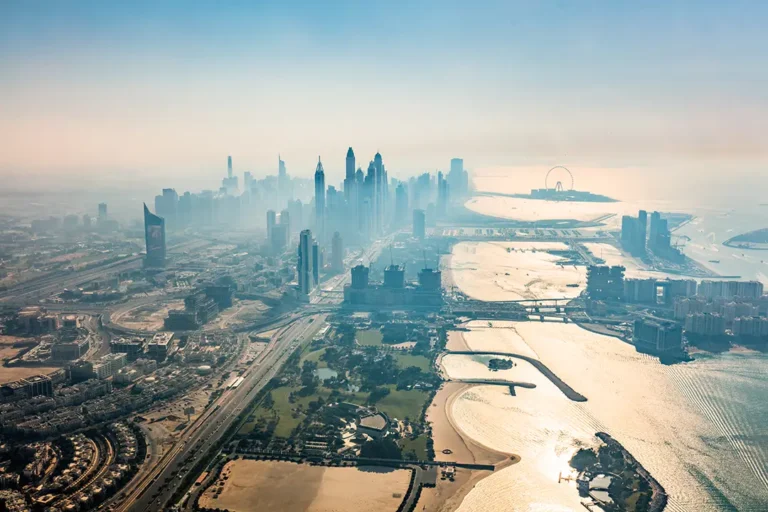
For first-time buyers, Dubai property investment in 2026 still looks attractive, but “safe” should be defined properly. Dubai remains one of the region’s most regulated and transparent real-estate markets, supported by active transaction volume, official first-time buyer support, clear ownership structures in designated freehold zones, and mortgage rules designed to reduce overleveraging. At the same time, first-time investors should avoid assuming that a strong market means risk-free returns. Supply cycles, pricing pressure in some segments, service charges, and financing costs still matter. In 2026, Dubai is still a relatively safe market for disciplined buyers who focus on regulated communities, realistic budgets, and long-term fundamentals rather than speculation, supported by strong transaction growth reported by the Dubai Land Department.
Why Dubai still feels safe for first-time investors in 2026
The strongest argument in favour of Dubai property investment in 2026 is that the market continues to show real activity, not just headlines. According to the Dubai Land Department’s latest real estate transaction report, Dubai recorded AED 252 billion in transactions in Q1 2026, reflecting strong investor confidence and continued demand.
For a first-time investor, this matters because market safety is not only about prices rising. It is also about:
- whether there is real demand
- whether transactions are happening at scale
- whether the market is regulated
- whether financing is controlled
- whether exit opportunities are realistic
Dubai still checks many of those boxes in 2026. The emirate also continues to promote a more structured ownership environment through initiatives like the Dubai Land Department First Time Home Buyer Program, which offers benefits such as priority access to selected units, preferential pricing, and flexible payment support for new buyers.
What makes the market feel safer than many first-timers expect
A big reason Dubai attracts new investors is the strength of its property infrastructure. Buyers are not entering an unstructured environment. They are entering a market supported by official systems such as the Dubai Land Department open data and research platform, which allows investors to review real transaction trends instead of relying on speculation.
Dubai’s long-term stability is also supported by strategic planning. The Dubai 2040 Urban Master Plan focuses on sustainable growth, improved infrastructure, and better-connected communities, all of which contribute to long-term property value stability.
Population growth is another important factor. According to Dubai’s official population statistics portal, the emirate’s population reached over 3.8 million by the end of 2024, reinforcing long-term demand for residential properties.
Why regulation matters more than hype
A truly safe market is one that makes it harder for buyers to overextend themselves.
That is where mortgage regulation becomes important. The UAE Central Bank mortgage regulations define how much banks can lend relative to property value, helping reduce excessive leverage and protecting buyers from financial risk.
This is also clearly explained in 4Direction’s guide on Dubai mortgage rules and LTV for property buyers, which breaks down how financing limits are designed to create a more stable and sustainable property market.
Ownership clarity is another key factor. According to the official UAE government guide to property ownership for expatriates, foreign buyers can legally own property in designated freehold areas, giving first-time investors clear legal protection.
For a more practical understanding, 4Direction’s guide on freehold vs leasehold property in Dubai for expats helps buyers evaluate which ownership structure best fits their long-term investment strategy.
But is Dubai “safe” in 2026 without any risk?
No market deserves that label.
A careful answer is: Dubai is relatively safe for first-time investors in 2026, but only if they buy selectively and avoid assuming constant price growth.
Some global analysts have highlighted potential risks. For example, Reuters coverage on Dubai real estate market forecasts referenced expectations of possible price corrections due to upcoming supply.
This does not make the market unsafe – but it does mean investors should approach it with a long-term mindset rather than short-term speculation.
A safer approach is to focus on:
- completed or near-completed properties
- communities with real end-user demand
- sustainable pricing and payment structures
- manageable service charges
- long-term rental potential
- trusted developers and regulated projects
This is why 4Direction’s guide on ready apartments for sale in Dubai with flexible payment plans is particularly relevant, as it highlights how structured purchases can reduce risk compared to speculative buying.

Where first-time buyers may find safer value
For many first-time investors, “safe” does not mean buying in the most expensive areas. It means choosing locations where affordability, demand, and growth potential align.
That is why communities like apartments for sale in Dubailand Residence Complex are increasingly attractive for new buyers, offering a balance between price accessibility and long-term potential.
At the same time, investors can explore broader insights through the 4Direction Dubai real estate blog and media center, which provides ongoing updates, guides, and market analysis.
For those comparing investment strategies, it is also useful to review off-plan property investment in Dubai: pros and cons explained and moving to Dubai from the UK in 2026 property and relocation guide.
Final verdict: is Dubai still a safe market for first-time investors in 2026?
Yes, Dubai can still be considered a relatively safe market for first-time investors in 2026 – but only when “safe” is understood as regulated, transparent, and strategically planned, not risk-free.
Strong transaction activity, structured regulations, and government-backed initiatives all support market stability. However, success still depends on making informed decisions based on fundamentals rather than hype.
For most new buyers, the smarter question is no longer “Is Dubai safe?” but: