Summary
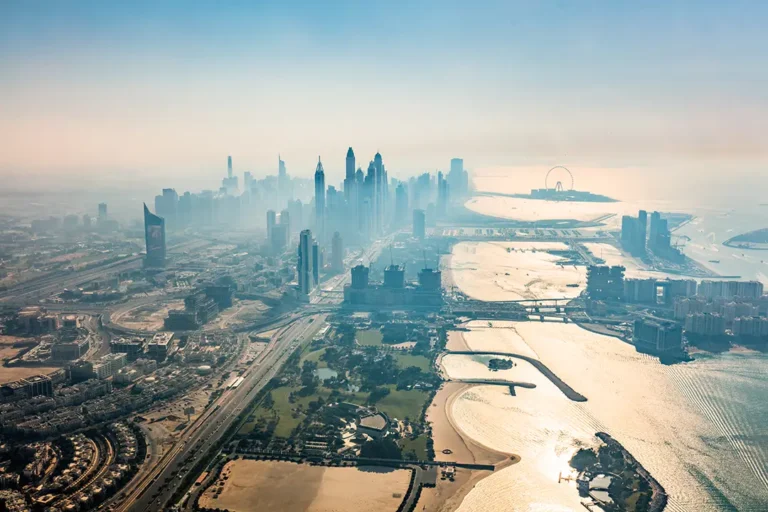
Dubai has rapidly positioned itself as one of the world’s most attractive relocation destinations for remote professionals. Supported by progressive visa frameworks, advanced digital infrastructure, and a lifestyle designed around convenience and connectivity, remote work in Dubai has evolved from a temporary trend into a long-term relocation strategy. For remote workers seeking stability, quality of life, and access to global markets, Dubai offers a unique combination of professional flexibility and residential opportunity.
The Global Shift Toward Remote Work
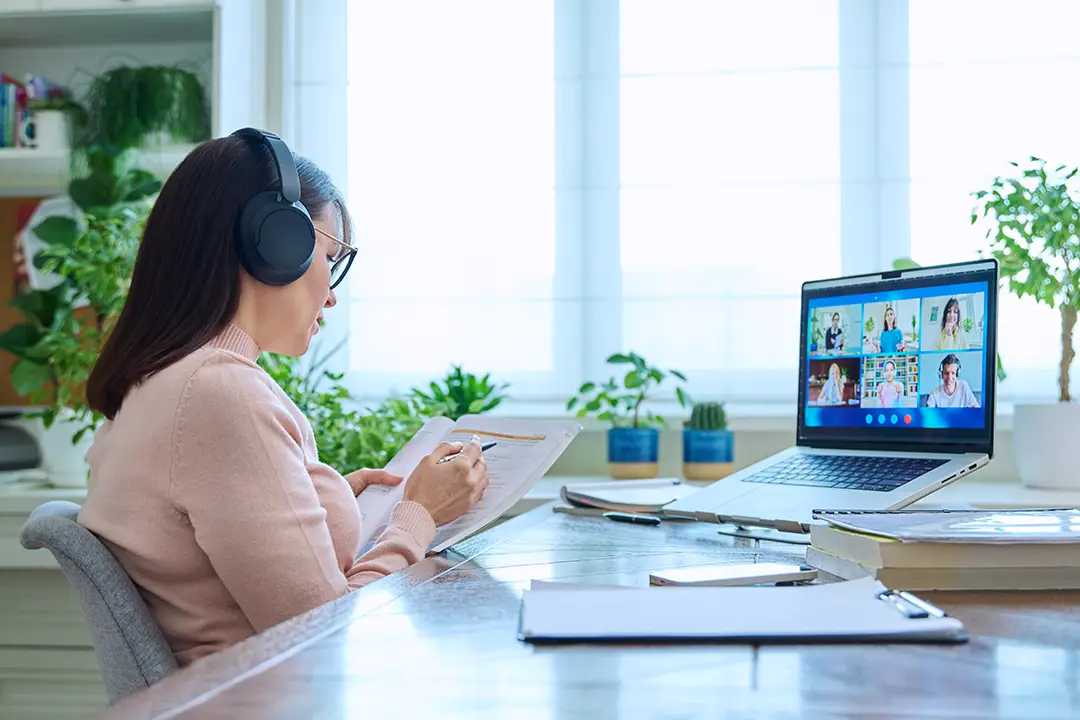
Remote work is no longer limited to freelancers or short-term digital nomads. It has become a permanent working model for professionals across technology, consulting, finance, design, and creative industries.
This shift has changed how professionals choose where to live. Instead of relocating for employment, individuals now select destinations based on:
- Quality of life
- Time zone alignment
- Legal residency options
- Infrastructure reliability
Dubai has adapted quickly to this reality, positioning itself as a city built for globally mobile professionals.
How Dubai Legally Supports Remote Work

Dubai was among the first global cities to formalize remote work residency options. The UAE Government introduced dedicated pathways allowing professionals to live in the country while working for overseas employers.
Remote work residency frameworks and long-term visa options are outlined by the UAE Government Portal, providing clarity and legal certainty for relocating professionals.
This legal structure removes ambiguity around employment location and residency, making remote work in Dubai a viable long-term option rather than a temporary arrangement.
Tax Environment and Financial Predictability
One of the strongest drivers behind Dubai’s appeal to remote workers is its tax structure.
The UAE does not levy personal income tax, as confirmed by the UAE Government Portal. For remote professionals earning internationally, this creates:
- Greater income predictability
- Improved savings potential
- Simplified financial planning
This financial clarity plays a major role in long-term relocation decisions, particularly for professionals relocating with families.
Infrastructure Built for Remote Professionals
Remote work depends heavily on reliable infrastructure. Dubai’s investment in digital connectivity, transport, and utilities directly supports productivity.
Key infrastructure advantages include:
- High-speed internet coverage across residential communities
- Reliable utilities and power supply
- Advanced mobile and digital services
- International air connectivity
Dubai Municipality’s urban planning framework highlights infrastructure readiness and digital integration, reinforcing Dubai’s suitability for remote work–led lifestyles.
Lifestyle Benefits That Go Beyond Work
For many professionals, relocation decisions extend beyond work efficiency. Lifestyle plays a decisive role in long-term satisfaction.
Remote workers in Dubai benefit from:
- A high standard of healthcare and education
- Safety and city-wide security
- Diverse leisure, dining, and outdoor options
- Year-round access to amenities and services
These factors reduce friction between professional and personal life, making remote work in Dubai sustainable rather than exhausting.
Housing Preferences of Remote Workers
Remote professionals typically prioritize different housing features than traditional office-based workers.
Common preferences include:
- Home layouts suitable for dedicated workspaces
- Quiet, well-planned communities
- Access to retail, fitness, and outdoor areas
- Proximity to major road networks
Master-planned residential areas designed for long-term residents align particularly well with these needs, offering stability and daily convenience.
Guidance on choosing the right residential setup can be found through homebuyer guidance and community living insights available on 4direction.ae.
Accessibility and Time Zone Advantage
Dubai’s geographic position allows remote professionals to work efficiently with:
- Europe during standard business hours
- Asia in the afternoon
- North America in the evening
This time zone advantage reduces friction for globally distributed teams. Combined with strong air connectivity, Dubai enables professionals to maintain international business relationships without frequent relocation.
Dubai’s role as a global hub is reinforced by economic positioning data published by the UAE Ministry of Economy.
Long-Term Residency and Stability
Unlike short-stay digital nomad destinations, Dubai emphasizes long-term residency and community integration.
Residency pathways, long-term visas, and family sponsorship options encourage professionals to:
- Establish permanent bases
- Invest in housing
- Integrate into local communities
This long-term approach strengthens demand for residential real estate aligned with owner-occupiers rather than transient renters.
Impact on Property Demand and Investment
The rise of remote work in Dubai is reshaping residential demand patterns.
Key impacts include:
- Increased demand for mid-market and family-oriented housing
- Preference for livable communities over central office districts
- Greater interest in ownership among long-term residents
These shifts support a more balanced and resilient real estate market, aligned with Dubai’s long-term urban strategy.
The Dubai 2040 Urban Master Plan outlines a vision focused on livability, accessibility, and sustainable community development, reinforcing these trends.
Why Dubai Stands Out Among Global Cities
While many cities compete for remote workers, Dubai offers a rare combination of:
- Legal clarity
- Financial efficiency
- Infrastructure readiness
- Lifestyle depth
- Long-term planning
This integrated ecosystem explains why Dubai continues to rank as a top relocation choice for globally mobile professionals.
What Remote Workers Should Consider Before Relocating
Relocation success depends on preparation.
Key considerations include:
- Visa eligibility and renewal requirements
- Healthcare and education access
- Housing selection aligned with work-from-home needs
- Long-term residency planning
Why remote workers are relocating to Dubai:
- Legal frameworks support remote employment
- No personal income tax environment
- Strong digital and physical infrastructure
- Lifestyle suited for long-term living
- Housing aligned with work-from-home needs
- Time zone advantage for global work