Summary
Dubai is undergoing a major urban transformation driven by smart mobility. The integration of electric vehicles, metro connectivity, and cycling infrastructure is redefining how communities are designed, how residents live, and how real estate performs. This shift supports long-term lifestyle improvements, better connectivity, and stronger investment fundamentals across the emirate.
Smart Mobility as a Foundation for Future-Ready Communities
Smart mobility has moved from a futuristic concept to a core driver of urban planning and real estate value in Dubai. By integrating electric vehicles, metro networks, and dedicated cycling paths, the emirate is creating more livable, connected, and future-ready communities. This article explores the deep impact of smart mobility on lifestyle, community design, accessibility, and property investment logic.
The Strategic Importance of Smart Mobility in Dubai
Dubai’s leadership has embedded smart mobility into the core of its long-term urban vision. The focus is no longer only on impressive infrastructure but on how daily movement affects quality of life and community cohesion.
Areas with strong smart mobility frameworks consistently show higher resident satisfaction, better health outcomes, and stronger demand from both end-users and investors. This has made transit-oriented and sustainable transport planning a fundamental requirement in modern residential development.
How Smart Mobility Enhances Lifestyle and Livability
One of the most significant benefits of smart mobility is its positive effect on everyday life. Reduced reliance on private cars leads to lower stress levels, improved air quality, and more opportunities for physical activity.
Residents in well-connected communities benefit from shorter commute times, which translates into more family time, increased productivity, and better work-life balance. Families particularly value neighborhoods where children can safely cycle to schools and parks, while professionals appreciate seamless access to business districts via metro.
Master-planned communities that prioritize walking, cycling, and public transport are seeing stronger tenant retention and faster leasing velocity. These lifestyle advantages are becoming decisive factors for both renters and buyers when choosing where to live in Dubai.
Accessibility, Connectivity, and Community Planning
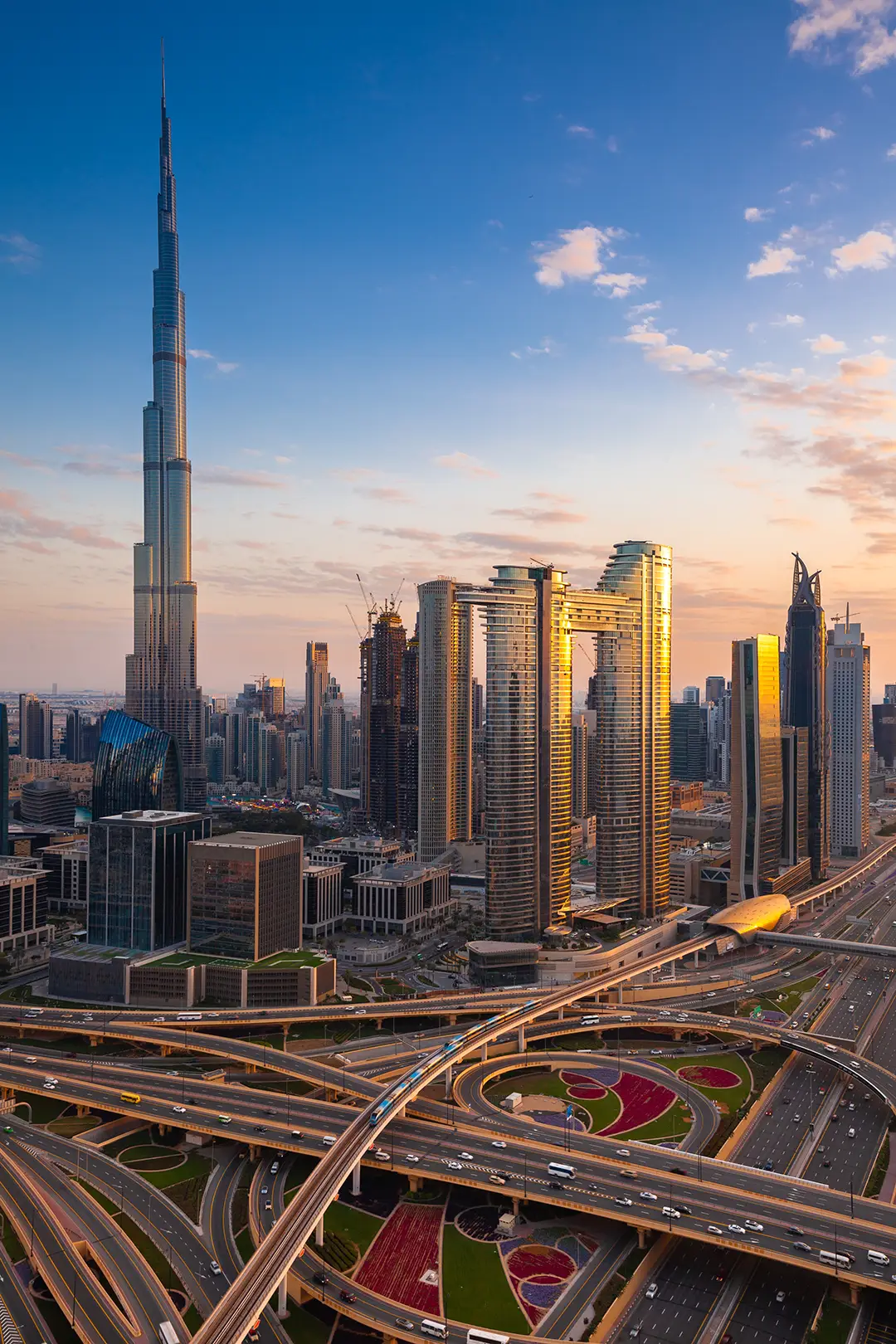
Smart mobility is fundamentally changing how architects and urban planners approach community design. Instead of car-centric layouts, new developments are being built around metro stations, EV charging networks, and cycling corridors.
This transit-oriented approach delivers several advantages:
- Higher density of amenities within walking distance
- Reduced need for large parking structures, freeing land for parks and recreation
- Better integration between residential, commercial, and retail spaces
- Improved safety through lower traffic volumes within neighborhoods
The planning of new communities now begins with transport infrastructure rather than ending with it. This reversal in thinking creates more human-scale environments that encourage social interaction and community bonding.
For those exploring communities in Dubai, connectivity has become one of the top evaluation criteria. Locations with direct metro access and comprehensive EV infrastructure are commanding increasing attention in the market.
Investment Logic and Long-Term Demand Drivers
From an investment perspective, smart mobility has become a major value driver in Dubai real estate. Properties located in areas with advanced transport infrastructure demonstrate stronger price resilience and superior rental performance over time.
Key investment advantages include:
- Higher rental yields in metro-connected communities
- Stronger capital appreciation along future transport corridors
- Wider tenant pool attracted to sustainable lifestyles
- Better liquidity during both upward and downward market cycles
Investors are increasingly conducting mobility audits before purchasing. They examine proximity to metro stations, availability of EV charging, and integration with cycling networks.
Developments that score highly in these areas are viewed as future-proof assets.
Those interested in property investment in Dubai should prioritize locations where smart mobility infrastructure is already established or firmly planned. This approach significantly reduces risk while positioning portfolios for long-term demand growth driven by population increases and evolving lifestyle preferences.
The same principle applies to off-plan properties in Dubai. Projects that integrate comprehensive smart mobility solutions from the design stage are experiencing stronger buyer interest and faster sell-out rates compared to traditional car-dependent developments.

The Role of Cycling Infrastructure in Modern Communities
Cycling has evolved from a weekend activity into a practical mode of transport in many Dubai communities. The government’s commitment to building over 1,000 kilometers of cycling tracks is creating new lifestyle opportunities and supporting local businesses along these corridors.
Communities with safe, shaded cycling paths report higher levels of daily physical activity among residents. This contributes to both physical and mental wellbeing while reducing pressure on road networks.
Developers who incorporate high-quality cycling infrastructure are seeing measurable improvements in community vibrancy and retail performance at the ground level. This further strengthens the investment case for such projects.
Future Outlook for Smart Mobility in Dubai
The coming years will see even deeper integration between different mobility modes. The combination of autonomous technology, expanded metro coverage, widespread EV adoption, and extensive cycling networks will create highly efficient urban ecosystems.
Communities designed around these principles are expected to outperform the broader Dubai real estate market in both capital growth and rental income stability.
For buyers and investors seeking long-term value, understanding the impact of smart mobility is no longer optional. It has become central to making informed decisions in Dubai’s evolving property landscape.