Summary
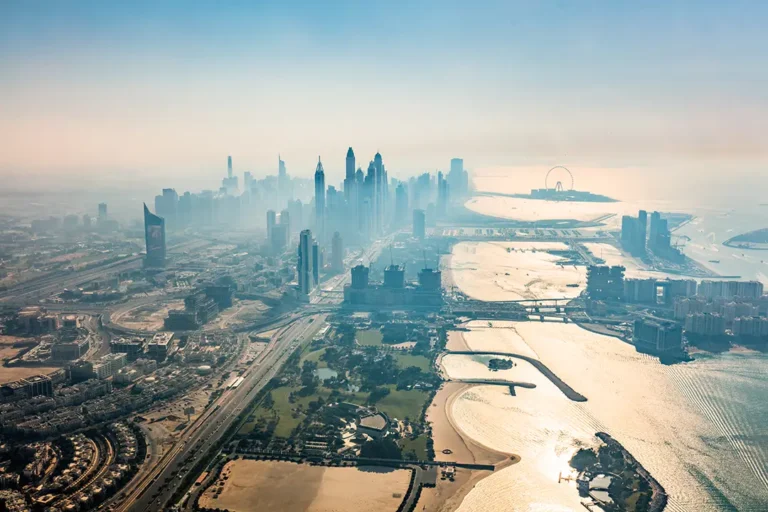
Dubai continues attracting real estate investors in 2026 due to its strong rental market, tax-efficient environment, growing population, and high-quality infrastructure. For investors focused on generating stable returns, choosing the right property type is one of the most important decisions. From apartments and serviced residences to townhouses and short-term rentals, different asset classes offer varying levels of rental demand, appreciation potential, and operational costs. Understanding which property types perform best for passive income real estate can help investors build stronger long-term portfolios in Dubai’s evolving market.
Best Passive Income Real Estate Opportunities in Dubai
Dubai has established itself as one of the leading global real estate investment destinations thanks to:
- Strong rental demand
- High occupancy levels
- Long-term population growth
- Business-friendly policies
- Tax advantages for investors
According to the official transaction data published by Dubai Land Department, Dubai’s residential market continues recording strong activity across both ready and off-plan segments.
For investors focused on passive income real estate, the goal is not simply buying property – it is selecting assets capable of generating:
- Consistent rental income
- Stable occupancy
- Long-term appreciation
- Lower operational risks
Buyers researching Dubai property investment in 2026 are increasingly focusing on data-backed property selection, infrastructure growth, and long-term rental demand rather than short-term market hype.
Different property types perform differently depending on:
- Location
- Tenant demand
- Budget
- Community maturity
- Rental strategy
Understanding these differences is essential for long-term investment success.
Apartments Remain the Most Popular Passive Income Option
Apartments continue being one of the strongest property types for passive income in Dubai due to:
- High rental demand
- Lower entry prices
- Easier maintenance
- Strong occupancy rates
Studio and one-bedroom apartments are especially popular among:
- Young professionals
- Expats
- Business travelers
- Small families
These units often provide:
- Higher rental yield percentages
- Faster tenant turnover
- Lower maintenance complexity
Investors researching apartments for sale in Dubailand, Majan apartments for sale, and studio apartments for sale in Dubai continue targeting these property types because of affordability, infrastructure growth, and rising rental demand.
For buyers focused specifically on smaller units, investing in 1-bedroom apartments in Dubai can be an attractive route because these properties often appeal to professionals and couples seeking efficient, well-connected homes.
Apartments located near:
- Metro stations
- Business districts
- Universities
- Retail destinations
typically maintain stronger occupancy rates over time.

Short-Term Rental Apartments Generate Higher Revenue Potential
Dubai’s tourism industry continues supporting strong short-term rental demand across key communities.
Properties listed as:
- Holiday homes
- Airbnb-style rentals
- Serviced apartments
can generate higher rental returns compared to traditional annual leasing models in certain locations.
Popular areas for short-term rentals include:
- Downtown Dubai
- Dubai Marina
- Palm Jumeirah
- Business Bay
- JBR
Short-term rental investments are especially attractive because of:
- Higher nightly rates
- Tourism demand
- Seasonal flexibility
- Premium location pricing
However, investors should also consider:
- Furnishing costs
- Property management fees
- Seasonal occupancy fluctuations
- Licensing requirements
This strategy works best for investors comfortable with more active management or professional holiday-home operators.
Serviced Apartments Continue Growing in Demand
Serviced apartments remain one of Dubai’s most attractive passive income opportunities for investors targeting:
- Corporate travelers
- Relocating professionals
- Long-stay visitors
- Medical tourism segments
These units often provide:
- Hotel-style amenities
- Professional management
- Premium rental pricing
- Higher occupancy stability in key areas
As Dubai continues strengthening its global tourism and business sectors, serviced residences remain attractive for investors looking for more professionally managed passive income real estate opportunities.
Townhouses Are Becoming Increasingly Attractive for Families
Townhouses have gained popularity in recent years due to Dubai’s growing family population and increasing demand for community-oriented living.
Family tenants often prioritize:
- Larger layouts
- Outdoor space
- Schools nearby
- Parks and amenities
- Long-term residential stability
Compared to apartments, townhouses may offer:
- Longer tenant retention
- Lower vacancy frequency
- Stable annual rental contracts
Communities with strong infrastructure and lifestyle planning continue attracting family-oriented tenants seeking long-term residences.
Investors researching why location matters in Dubai property investment often discover that family-focused communities maintain stronger long-term occupancy when they are close to schools, roads, retail, and essential services.
Off-Plan Properties Can Build Future Passive Income
Many investors purchase off-plan units with the goal of generating passive income after completion.
Benefits of off-plan investing include:
- Lower entry pricing
- Flexible payment plans
- Future appreciation potential
- Access to emerging communities
Investors evaluating why off-plan properties in Dubai remain popular are increasingly targeting projects near future infrastructure developments and metro expansions.
However, investors should still carefully evaluate:
- Developer reputation
- Delivery timelines
- Future rental demand
- Community growth potential
Strong off-plan investments can create attractive rental income opportunities after handover, especially when the project is located in an area with clear population growth and future connectivity.
Luxury Properties Offer Long-Term Wealth Potential
Luxury real estate continues attracting international investors into Dubai, especially in premium waterfront and lifestyle communities.
Luxury units may generate:
- Higher rental values
- Stronger appreciation
- International tenant demand
Popular luxury investment areas include:
- Palm Jumeirah
- Downtown Dubai
- Dubai Hills Estate
- Bluewaters Island
However, luxury investments may also involve:
- Higher service charges
- Larger capital requirements
- More market sensitivity
Investors comparing luxury vs affordable apartments in Dubai should evaluate long-term ROI, rental demand, and operational costs carefully before selecting a strategy.
Location Remains the Biggest Driver of Rental Performance
Regardless of property type, location continues being one of the biggest factors affecting passive income performance.
Properties located near:
- Public transportation
- Employment hubs
- Lifestyle destinations
- Schools and healthcare
- Retail infrastructure
often maintain:
- Stronger occupancy
- Better rental pricing
- Lower vacancy risk
Infrastructure development also plays a major role in future appreciation. Investors researching how Dubai infrastructure boosts property value continue focusing on communities benefiting from long-term urban development plans.
The expansion of transportation networks also continues influencing investment demand across emerging residential districts. This is why the Dubai Metro expansion and its impact on property prices has become an important consideration for investors looking at future rental demand and capital growth.
Emerging Communities Can Offer Stronger Yield Potential
Emerging communities can be attractive for passive income real estate because they often combine more accessible pricing with improving infrastructure.
Areas such as Dubailand, Majan, and Dubai Land Residence Complex continue attracting investors looking for:
- Lower entry prices
- Growing tenant demand
- Family-friendly planning
- Long-term appreciation potential
- Better value compared to central districts
For example, Dubailand Residence Complex is gaining attention as a residential community supported by connectivity, affordability, and ongoing development.
These areas may not always command the highest rents today, but they can provide strong long-term upside when infrastructure, services, and community maturity improve over time.
Rental Yield vs Appreciation: Understanding the Difference
Some investors prioritize:
- Higher monthly rental income
while others focus more on:
- Long-term capital appreciation
For example:
- Smaller apartments may generate higher rental yields
- Luxury properties may offer stronger appreciation over time
- Off-plan properties may offer future value growth before rental income begins
- Townhouses may provide longer tenant stability
The best passive income real estate strategy depends on:
- Financial goals
- Risk tolerance
- Investment horizon
- Portfolio diversification plans
Balanced portfolios often combine multiple property types to reduce risk and improve long-term stability.
Investors reviewing the Dubai real estate forecast for 2026 should look at both rental yield stability and long-term appreciation trends before committing to a specific property type.
Sustainable Homes May Improve Long-Term Rental Appeal
Sustainability is becoming more important in Dubai’s residential market, especially among tenants looking for better comfort, lower utility costs, and modern community design.
Properties with sustainable features may offer:
- Lower operating costs
- Better tenant appeal
- Stronger long-term competitiveness
- Alignment with Dubai’s urban planning direction
For investors building long-term rental portfolios, understanding sustainable homes in Dubai can help identify properties that may remain attractive to future tenants.
Avoiding Common Passive Income Investment Mistakes
Many first-time investors focus only on purchase price while ignoring:
- Service charges
- Vacancy assumptions
- Community quality
- Tenant demand
- Maintenance expenses
Investors should also avoid common property investment mistakes such as emotional buying, unrealistic ROI expectations, and poor financial planning.
A sustainable passive income strategy requires:
- Market research
- Financial discipline
- Long-term planning
- Proper asset selection
Why Professional Guidance Matters
Choosing the right investment property in Dubai requires understanding:
- Rental trends
- Community growth
- Developer quality
- Legal requirements
- Market timing
Experienced professionals can help investors:
- Identify stronger-performing assets
- Analyze rental potential
- Evaluate community demand
- Review long-term growth opportunities
Final Thoughts
Dubai continues offering strong opportunities for investors seeking passive income real estate in 2026.
Apartments, serviced residences, townhouses, luxury units, off-plan properties, and short-term rentals all offer different advantages depending on:
- Budget
- Investment strategy
- Tenant demand
- Long-term goals
The most successful investors focus on:
- Strong locations
- Sustainable rental demand
- Financial planning
- Long-term community growth
- Balanced portfolio strategies
As Dubai’s population, infrastructure, and economy continue expanding, well-selected real estate assets are expected to remain one of the emirate’s strongest passive income opportunities for years to come.